Laptop Bags Suited to Every Style: A Comprehensive Guide to Choosing the Perfect Carry Solution
Selecting the right laptop bag demands thoughtful consideration of design, functionality, and personal needs. Multiple options are available, from professional briefcases to casual backpacks, each serving different lifestyles. Understanding important features, materials, and the value of size can greatly impact user experience. As one browses through the available selections, questions about aesthetics and practicality will naturally arise. What factors will ultimately decide the perfect fit for individual preferences?
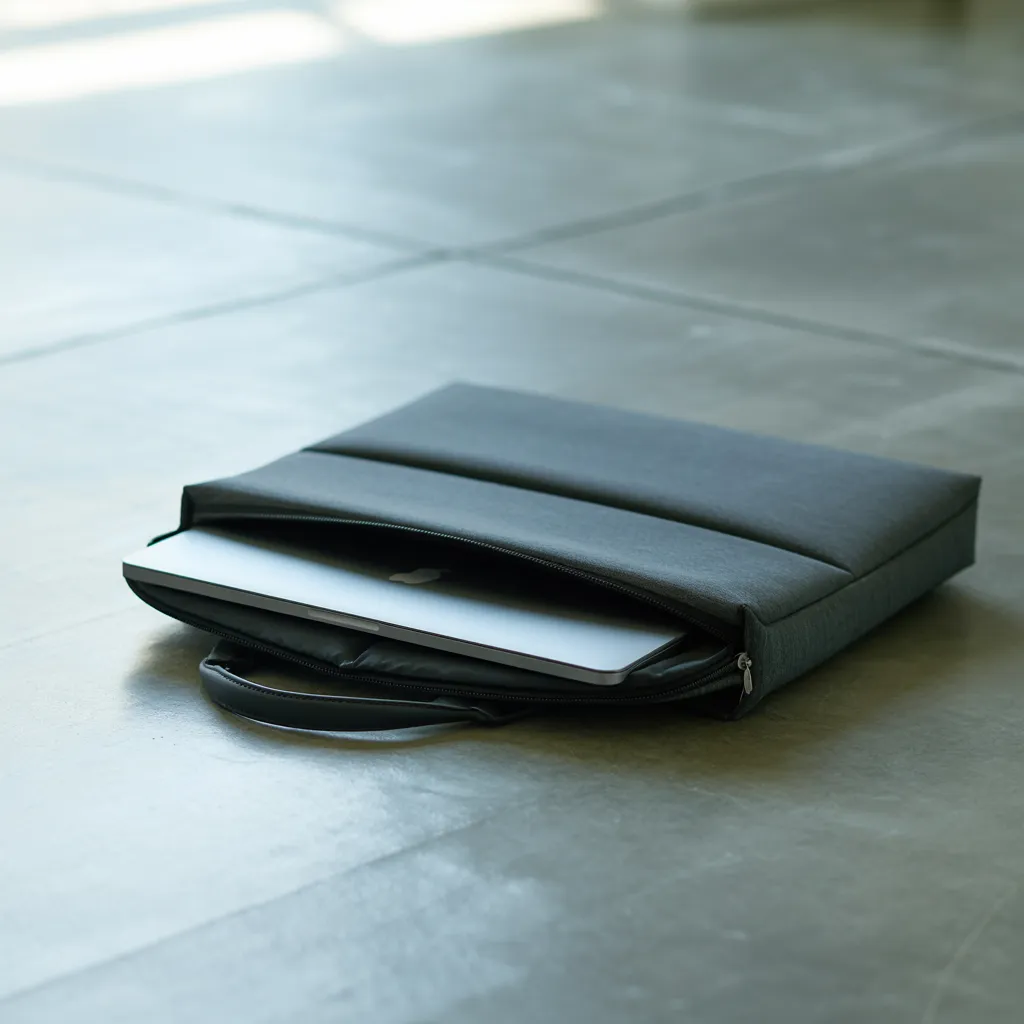
Comprehending Diverse Types of Notebook Bags
When it comes to choosing a laptop bag, the array of alternatives available can be overwhelming. There are numerous unique types developed to cater to diverse needs and preferences. Briefcases offer a professional aesthetic, typically showcasing a sleek design and plenty of organizational pockets. Backpacks, alternatively, provide comfort and hands-free convenience, making them ideal for students and commuters alike. Messenger bags provide a stylish choice, often worn across the body, and are preferred for their easy access to contents. Sleeve cases are lightweight solutions, offering minimal protection and portability for those who choose to carry their laptops within another bag. Finally, rolling bags blend the convenience of wheels with appropriate storage, catering to frequent travelers. Each type serves unique purposes, making certain that individuals can discover a bag that suits their lifestyle and requirements successfully.
Key Features to Think About When Selecting a Laptop Bag
In selecting a laptop bag, size and compatibility are important factors to ensure a proper fit for the device. Moreover, the strength of the material plays a important role in the bag's longevity and protection against general wear. These features enable users to make informed decisions that best fit their needs and lifestyles.
Size and Device Compatibility
Picking a laptop bag necessitates meticulous consideration of size and compatibility, as these factors directly influence the bag's effectiveness in protecting the device. A properly-sized bag guarantees that the laptop remains secure and limits movement during transport, which can avoid damage. Buyers should first determine their laptop's dimensions, including width, height, and depth, and match these measurements with the bag's specifications. Furthermore, compatibility extends beyond mere fit; users should consider supplementary compartments for accessories, like chargers and cables, as well as the bag's overall weight and bulkiness. A bag that is too large may undermine portability, while one that is too small could lead to poor protection. Therefore, selecting the right size and compatibility is crucial for optimal functionality.
Durability of Materials
Though the visual attractiveness of a laptop bag matters, material durability is a crucial factor that considerably determines its overall performance and longevity. The choice of materials directly influences the bag's ability to endure daily wear and tear. Common materials include nylon, polyester, leather, and canvas, each offering varying levels of durability. High-denier fabrics, for instance, deliver better resistance against abrasions and tears. Furthermore, water-resistant coatings can safeguard against spills and weather conditions, improving the bag's lifespan. Hardware quality, such as zippers and buckles, should not be neglected, as they contribute to the bag's overall strength. Ultimately, selecting a laptop bag made from sturdy materials guarantees reliable protection for valuable devices while maintaining a professional appearance.
Construction Materials and Durability: What You Should Consider
When picking out a laptop bag, knowing the different fabric types is essential for guaranteeing the bag's sturdiness and longevity. Different materials deliver varying levels of durability, determining how well the bag can endure daily wear and tear. Purchasers should give priority to options that merge both toughness and functionality for long-term use.
Fabric Types Overview
Picking the right fabric for a laptop bag is vital for providing both protection and longevity. Numerous fabrics are offered, each delivering unique benefits. Nylon is a common choice owing to its lightweight, water-resistant properties and durability. Polyester, comparable to nylon, is also lightweight and can resist damage, making it ideal for everyday use. Canvas, while heavier, provides a rugged aesthetic and is often more breathable. Leather presents a sophisticated look but get the full story requires appropriate maintenance to avoid damage. Furthermore, eco-friendly materials like recycled fabrics are gaining traction among environmentally conscious consumers. Each fabric type has its own properties, allowing individuals to choose a laptop bag that aligns with their style and functional needs.
Strength and Endurance
Sturdiness and endurance are vital elements when selecting a laptop bag. The materials employed in construction substantially influence durability. Industrial-grade nylon or polyester presents exceptional resistance to regular wear, while leather provides a traditional look with impressive endurance. Additionally, fortified stitching and durable zippers boost a bag's lifespan, stopping premature damage. Hydrophobic or waterproof materials further shield laptops from external factors, providing safety during travel. Users should examine the bag's weight and flexibility, as excessively stiff constructions can reduce comfort and usability. Ultimately, going with a carefully-designed bag with durable materials will confirm it withstands daily use and protects valuable technology for years to come. Evaluating these factors is vital for making a smart investment in a laptop bag.
Styling and Appearance: Discovering Your Perfect Match
How do you balance functionality with personal style when choosing a laptop bag? The answer is found in understanding personal preferences and needs. Many consumers today seek a laptop bag that not only accomplishes its primary purpose but also represents their unique aesthetic. There is a wide range of styles offered, from sleek and minimalistic designs to bold and vibrant patterns, permitting users to express their personality.
The materials used also play an essential role in aesthetics. Leather exudes a sophisticated look, while canvas delivers a casual vibe. Color options can enhance the overall appearance, permitting users to coordinate the bag with their wardrobe or personal branding. In addition, the bag's shape and structure can determine its visual appeal, whether going with a conventional briefcase or a stylish backpack.
Finally, discovering the ideal match requires considering both design and practical elements, guaranteeing that the picked laptop bag improves both usability and personal style.
Size Is Important: How to Choose the Perfect Size
The proper size laptop bag is essential for ensuring both comfort and practicality. When choosing a bag, it is essential to assess the dimensions of the laptop, as bags are commonly designed to accommodate particular sizes. A snug fit keeps the laptop from moving during transport, which can serve to protect it from damage.
Furthermore, users should factor in any accessories, such as chargers and mice, when deciding on size requirements. A bag that is larger than needed may create unnecessary bulk, while one that is overly compact could create a cramped fit.
It is also important to reflect on the intended use; a bag for daily commuting may need sufficient space for paperwork and individual possessions, while a minimalist design may suffice for casual outings. Eventually, selecting the right fit boosts the overall user experience, uniting functionality with style.
Caring for Your Laptop Bag: Care Guidelines
Picking the right size laptop bag is just the beginning; proper care and maintenance are vital to extending its lifespan. Regular cleaning is essential, as dirt and grime can accumulate over time. Most bags can be cleaned with a damp cloth and mild detergent, while others may demand specific care instructions.
It is also recommended to steer clear of overloading the bag, as surplus weight can cause wear and tear on straps and zippers. Keeping the bag in a dry and cool place when not in use is important to ward off damage from pests and humidity.
Additionally, reviewing the bag on a regular basis for any traces of damage, such as damaged seams or faulty zippers, enables timely repairs. Using protective sprays can help protect against water and stains. By adhering to these maintenance practices, owners can ensure their laptop bags remain in excellent condition for years to come.
Frequently Asked Questions
Can a Laptop Bag Be Used for Non-Laptop Items?
Yes, a laptop bag can be utilized for non-laptop items. Many people repurpose these bags for holding books, documents, or personal items, benefiting from their compartment features and protective padding, irrespective of the designated use.
Do Sustainable Laptop Bag Options Exist?
Environmentally friendly laptop bag choices are accessible. Various brands presently feature bags constructed from recycled materials, organic cloth, and sustainable manufacturing techniques, serving eco-aware buyers looking for fashionable and practical options for their transport requirements.
How Do I Clean My Laptop Bag Effectively?
To clean a laptop bag effectively, first clear out everything completely. Use a damp cloth with mild soap to clean surfaces. For persistent stains, clean spots with a soft brush, then allow to air dry fully before use.
Which Brands Are Recognized for Premium Laptop Bags?
Several brands are celebrated for top-quality laptop bags, including Targus, SwissGear, Timbuk2, and Herschel. These brands reliably provide durability, style, and functionality, addressing numerous preferences and needs in the laptop bag market.
Are There Laptop Bags Featuring Charging Capabilities?
Yes, laptop bags with built-in charging features do exist. Such modern designs typically include integrated power banks or USB ports, letting users recharge their devices while on the go, improving convenience and practicality for contemporary living.